

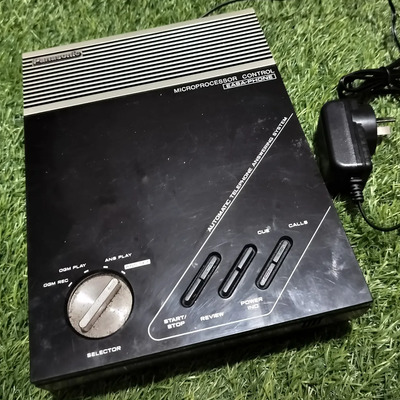
Yes, they can do more, like connect to your calendar and pull information from your website to answer simple questions but what happens when a caller needs a real person? Too often, the AI can only divert the call back and hope someone answers on the other end.
So is there a better way? If all you want is an out of hours or busy/no answer service, then any decent AI system can handle that with simple call diverting. Fonio or similar tools would do the job just fine.
However if you want something more useful, the better approach is to think from the telephony system outward: what should an AI agent actually help with if it has full access to the phone system?

Building AI From the Inside Out
At NTA, we started with the receptionist. The goal wasn’t to replace a real receptionist but to support them, i.e handling the routine work so they can focus on people, in person tasks, and everything an AI can’t do well.
That meant making extensions visible to the AI receptionist, including their status: available, busy, or in DND but that quickly exposed a problem. If a caller asked for the director by name, the AI could transfer the call straight through, exactly the opposite of what a gatekeeper should do.
To avoid this, we added controls for each extension. One switch hides an extension from the AI entirely, which works well for things like meeting rooms, kitchens, or SIP intercoms. Another switch lets the AI know that an extension exists but that it should not receive direct AI handled calls. In that case, the AI can route the caller to voicemail instead.

Smart Transfers and Personal Touches
The biggest improvement was giving the AI receptionist the ability to announce calls before connecting them, just like a real receptionist. It can ask who the caller wants, collect their name, company, and reason for calling, and then tell the recipient who is calling and why. That also allows the system to greet returning callers by name, making the experience more personal.
There are sensible rules around storing caller names. If a mobile number calls in, it is usually safe to assume it belongs to the same person. However, if the call comes from a landline or business number, the system should be more cautious and avoid using first names too quickly.
With that information in hand, the AI receptionist can perform a receptionist-style transfer: it announces the call to the internal user, waits for them to accept or reject it, and then connects, sends to voicemail, or routes elsewhere based on the user’s settings or wants. It can also route calls to departments, hunt groups, and queues because it sits inside the telephone system as a real extension.
Experience it for yourself: Want to see how an integrated AI receptionist handles a real call? Call 01708320001 and give it a try.


